
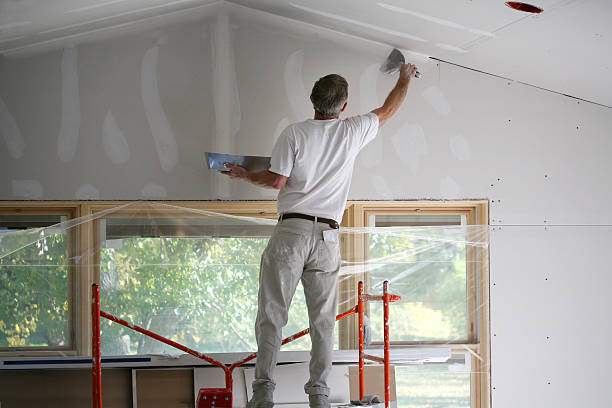
What Cedar Rapids, IA Homeowners Should Know About Drywall Repair?
Drywall is one of the most important finishing materials in modern homes because it creates smooth wall and ceiling surfaces. It also provides fire resistance and sound control between rooms. Most homeowners don’t think about drywall until they notice signs of damage. Understanding what causes drywall damage and when to call a professional helps ensure repairs are effective and long-lasting. Effective Drywall Repair in Cedar Rapids, IA, requires the skills and techniques needed to restore a wall so it looks and performs as it should for years to come.
This guide explains the common causes of drywall damage, signs that you need drywall repair, and how you can choose the right drywall contractor.
Common Causes of Drywall Damage
Drywall damage is usually caused by specific issues. Knowing which cause applies matters before any patching starts.
Some of the typical reasons for drywall damage are:
i. Plumbing leaks, roof damage, or condensation can deteriorate the drywall over time.
ii. Changes in temperature and humidity cause drywall to expand and contract, which can gradually separate joints.
iii. Moving furniture, daily household activity, or impacts from door handles can cause dents, punctures, or holes.
iv. Nail pops occur as the framing moves slightly and pushes fasteners through the drywall.
v. Poor installation can lead to cracks, uneven seams, and weak drywall joints over time.
Signs You Need Professional Drywall Repair
Regular inspection of drywall helps identify signs that require professional intervention. Here are a few things that indicate you need professional drywall repair in Cedar Rapids, IA:
i. Walls and ceilings that have wide or spreading cracks.
ii. Wet, swollen, or loose drywall panels.
iii. Water stains or discoloration of walls because of water leakage.
iv. Sagging drywall ceilings caused by moisture damage or nail failure.
v. Holes and punctures that can’t be patched with standard patching materials.
vi. Bubbling or peeling paint.
vii. Signs of water damage, including mold growth.
viii. Walls that appear uneven or no longer have a smooth, flat surface.
The Professional Drywall Repair Process
A professional repair consists of three steps, each designed to restore the wall’s strength, appearance, and long-term durability.
Damage Assessment
The first step includes an inspection that determines:
i. The size and severity of the damage
ii. Moisture content in the damaged materials
iii. Signs of structural movement
iv. Hidden problems behind the surface
v. If repair or replacement of the drywall panel is the solution
Material Removal and Surface Preparation
Once the damaged sections are identified, technicians prepare the work area, which includes:
i. Removing loose or compromised drywall
ii. Cleaning the surrounding surfaces
iii. Replacing damaged insulation, if needed
iv. Repairing framing components, if required
v. Preparing edges for the new patch
Repair, Finishing, and Surface Restoration
Once prepared, the finishing process is carried out in the following manner:
i. Install new drywall panels
ii. Tape the seams
iii. Apply multiple coats of joint compound
iv. Allow coats to dry completely
v. Prepare the wall for primer and paint.
How to Choose the Right Drywall Repair Contractor?
The drywall repair contractor you choose in Cedar Rapids, IA, directly influences quality of your home renovation. Here are some key factors worth checking before hiring one:
i. Knowledge of building codes applicable in the area.
ii. Reviews from the projects completed and references.
iii. Experience with drywall repairs in residential areas.
iv. Licensing and/or insurance (where needed).
v. Written proposal covering the extent of work and costs.
vi. Communication about schedules and timelines.
vii. Use of quality materials and sound installation techniques.
Final Thoughts
Drywall in good condition supports a home’s safety, appearance, and value. Addressing cracks and water damage early keeps the repair smaller and less expensive. By recognizing early warning signs and working with a qualified contractor, homeowners can prevent minor drywall problems from becoming costly repairs. A properly done repair lasts for years.