Two Brands, One Verdict: Which One Wins Your 2 AM Vibe — Vudu or Vapes Bars?
Start Your Late-Night Vape Search Late-night moments often call for something simple and familiar. If you are exploring modern disposable
Read More
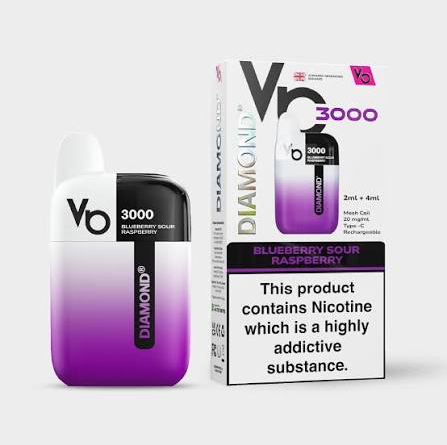
Start Your Late-Night Vape Search Late-night moments often call for something simple and familiar. If you are exploring modern disposable
Read More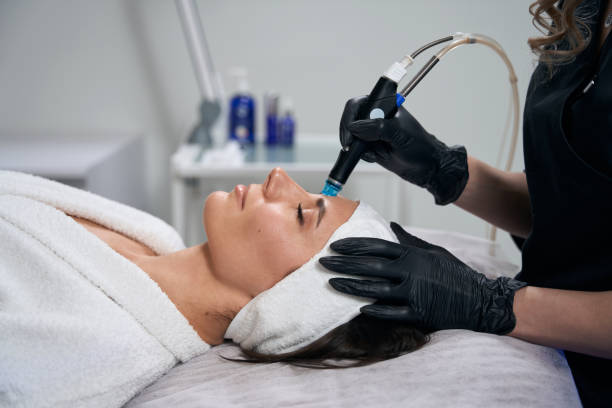
Aesthetic treatments have moved well beyond the idea of simply “looking younger.” Today, clients are seeking targeted solutions for concerns such as acne scarring, hyperpigmentation, laxity, unwanted hair, uneven texture, and localized fat. The most effective approach is usually not about choosing the trendiest treatment, but understanding what is happening within the skin or underlying tissue and selecting a procedure that addresses the specific concern. With technologies ranging from energybased devices to advanced facial therapies, aesthetic care can be highly customized. Knowing what different treatments are designed to do makes it easier to have an informed consultation and realistic expectations. Facial Treatments for Texture, Tone, and Clarity Facial treatments remain among the most requested aesthetic services because they can address several superficial skin concerns without necessarily requiring significant downtime. Depending on the technique, treatments may improve desquamation, hydration, circulation, congestion, or the appearance of uneven pigmentation. Chemical peels are a common example. They use controlled concentrations of chemical exfoliants to accelerate the removal of damaged superficial skin cells. Ingredients such as glycolic acid, salicylic acid, lactic acid, and trichloroacetic acid can be selected according to skin type and treatment goals. A properly selected peel may help improve acne, post-inflammatory hyperpigmentation, dullness, and uneven texture. Microneedling takes a different approach. Fine sterile needles create controlled micro-injuries within the skin, stimulating a wound-healing response and supporting collagen and elastin production. It is frequently used for acne scars, enlarged pores, fine lines, and textural irregularities. Laser and Light-Based Treatments Laser treatments are popular because different wavelengths can interact with specific chromophores within the skin. In simple terms, the device can be selected according to what the practitioner is trying to target. Laser hair removal, for example, targets melanin within the hair follicle. The absorbed light generates thermal energy that disrupts the follicle’s ability to produce hair. Because hair grows through different phases, a series of treatments is generally required rather than a single appointment. Other laser and lightbased procedures may be used to address vascular redness, pigmentation, photoaging, or overall skin rejuvenation. The appropriate technology depends on factors such as Fitzpatrick skin type, pigmentation characteristics, treatment area, and the underlying concern. This is why a professional assessment matters. A treatment that works beautifully for one pigmentation pattern may not be appropriate for another. Treatments for Skin Tightening and Collagen Stimulation Skin laxity is another common reason clients explore aesthetic treatments. Collagen production naturally changes with age, while factors such as significant weight fluctuations and sun exposure can also affect skin elasticity. Radiofrequency, commonly called RF, uses electromagnetic energy to generate controlled thermal effects within tissue. Depending on the technology and treatment depth, this can encourage collagen remodeling and improve the appearance of mild skin laxity. Some advanced devices combine different energy modalities or treatment depths to address both superficial skin quality and deeper tissue. These procedures are often chosen for areas such as the face, jawline, neck, abdomen, arms, and thighs. Results tend to develop gradually because collagen remodeling is a biological process rather than an instant mechanical change. Patience is part of the treatment plan, even if it is not the most glamorous part. Body Contouring and Localized Fat Reduction Body contouring is designed to improve the shape or proportion of specific areas rather than serve as a substitute for weight management. This distinction is important when discussing aesthetic goals. Noninvasive fatreduction technologies can target localized adipose tissue through mechanisms such as controlled cooling or thermal energy. Cryolipolysis, for instance, uses controlled cooling to affect fat cells while leaving surrounding tissues comparatively unharmed when appropriately administered. Other body
Read More
Smooth and delicious taste is a top reason many choose to vape. Not all vape devices last long and taste
Read More
Most people think immigration delays happen because of external factors—processing times, paperwork, or legal complexity. But often, delays come from small
Read More
The technology of vaping is evolving rapidly. Several individuals have shifted towards the use of small devices with high performance.
Read More
Portable vaping is now a trending product in technology and consumer electronics. A lot of citizens are interested in the
Read MoreMaskan offers the best luxury flats in Lahore together with ecological architecture built with a contemporary, frugal lifestyle. At Maskan
Read More
When planning a wedding, every detail matters, from the venue and catering to the transportation arrangements. A seamless transportation experience
Read More
In today’s highly competitive job market, companies face an ongoing challenge: attracting and retaining top talent. With job seekers having
Read More
Your vaping experience will be enhanced by the Myle Turbo 20000 Puffs Disposable Vape’s exceptional performance and ease of use.
Read More