
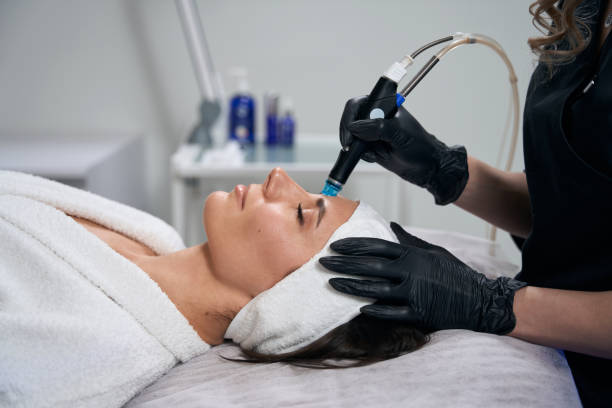
A Guide to the Most Popular Aesthetic Treatments Available
Aesthetic treatments have moved well beyond the idea of simply “looking younger.” Today, clients are seeking targeted solutions for concerns such as acne scarring, hyperpigmentation, laxity, unwanted hair, uneven texture, and localized fat. The most effective approach is usually not about choosing the trendiest treatment, but understanding what is happening within the skin or underlying tissue and selecting a procedure that addresses the specific concern.
With technologies ranging from energybased devices to advanced facial therapies, aesthetic care can be highly customized. Knowing what different treatments are designed to do makes it easier to have an informed consultation and realistic expectations.
Facial Treatments for Texture, Tone, and Clarity
Facial treatments remain among the most requested aesthetic services because they can address several superficial skin concerns without necessarily requiring significant downtime. Depending on the technique, treatments may improve desquamation, hydration, circulation, congestion, or the appearance of uneven pigmentation.
Chemical peels are a common example. They use controlled concentrations of chemical exfoliants to accelerate the removal of damaged superficial skin cells. Ingredients such as glycolic acid, salicylic acid, lactic acid, and trichloroacetic acid can be selected according to skin type and treatment goals. A properly selected peel may help improve acne, post-inflammatory hyperpigmentation, dullness, and uneven texture.
Microneedling takes a different approach. Fine sterile needles create controlled micro-injuries within the skin, stimulating a wound-healing response and supporting collagen and elastin production. It is frequently used for acne scars, enlarged pores, fine lines, and textural irregularities.
Laser and Light-Based Treatments
Laser treatments are popular because different wavelengths can interact with specific chromophores within the skin. In simple terms, the device can be selected according to what the practitioner is trying to target.
Laser hair removal, for example, targets melanin within the hair follicle. The absorbed light generates thermal energy that disrupts the follicle’s ability to produce hair. Because hair grows through different phases, a series of treatments is generally required rather than a single appointment.
Other laser and lightbased procedures may be used to address vascular redness, pigmentation, photoaging, or overall skin rejuvenation. The appropriate technology depends on factors such as Fitzpatrick skin type, pigmentation characteristics, treatment area, and the underlying concern.
This is why a professional assessment matters. A treatment that works beautifully for one pigmentation pattern may not be appropriate for another.
Treatments for Skin Tightening and Collagen Stimulation
Skin laxity is another common reason clients explore aesthetic treatments. Collagen production naturally changes with age, while factors such as significant weight fluctuations and sun exposure can also affect skin elasticity.
Radiofrequency, commonly called RF, uses electromagnetic energy to generate controlled thermal effects within tissue. Depending on the technology and treatment depth, this can encourage collagen remodeling and improve the appearance of mild skin laxity.
Some advanced devices combine different energy modalities or treatment depths to address both superficial skin quality and deeper tissue. These procedures are often chosen for areas such as the face, jawline, neck, abdomen, arms, and thighs.
Results tend to develop gradually because collagen remodeling is a biological process rather than an instant mechanical change. Patience is part of the treatment plan, even if it is not the most glamorous part.
Body Contouring and Localized Fat Reduction
Body contouring is designed to improve the shape or proportion of specific areas rather than serve as a substitute for weight management. This distinction is important when discussing aesthetic goals.
Noninvasive fatreduction technologies can target localized adipose tissue through mechanisms such as controlled cooling or thermal energy. Cryolipolysis, for instance, uses controlled cooling to affect fat cells while leaving surrounding tissues comparatively unharmed when appropriately administered.
Other body contouring technologies may use radiofrequency, ultrasound, or other forms of energy to influence tissue. Some treatments focus primarily on adipose tissue, while others are intended to address skin laxity or the appearance of cellulite.
The best option depends on the composition of the treatment area. A client with localized fat and good skin elasticity may require a different strategy from someone whose primary concern is loose skin.
Advanced Treatments for Specific Skin Concerns
Some aesthetic concerns require a more specialized approach. Acne, rosacea, melasma, post-inflammatory hyperpigmentation, and persistent vascular redness do not behave in the same way, so treating them as though they are interchangeable can lead to disappointing results.
For example, melasma involves increased melanin production and can be influenced by ultraviolet and visible light exposure, hormones, heat, and inflammation. Aggressive treatment without appropriate skin preparation and photoprotection can sometimes worsen pigmentation.
Acneprone skin may benefit from treatments that help manage follicular congestion and inflammation, while mature skin may be better suited to procedures focused on collagen stimulation and epidermal renewal.
Aesthetic treatment planning should therefore consider the skin barrier, pigmentation tendency, inflammatory activity, medication history, previous procedures, and current skincare routine. These details can influence both treatment selection and recovery.
Choosing the Right Treatment for Your Goals
The growing range of aesthetic procedures gives clients more options, but more choices also make professional guidance increasingly valuable. The goal should not be to collect treatments. It should be to build an appropriate treatment strategy.
During a consultation, a qualified aesthetic professional can assess the skin, identify the primary concern, discuss contraindications, and determine whether a particular procedure is appropriate. In some cases, combining complementary treatments can produce a more comprehensive result, while other situations call for a simpler approach to protect the skin barrier and minimize irritation.
Exploring the available LePelle treatments can help you understand which services may align with your aesthetic goals before scheduling a consultation.
Ultimately, successful aesthetic care starts with an accurate assessment rather than a one-size-fits-all procedure. Whether your priority is clearer skin, improved texture, hair reduction, collagen stimulation, or body contouring, the right treatment should match your skin’s condition and your desired outcome. Schedule a professional consultation to discuss your concerns, understand your options, and create a treatment plan designed specifically for you.