
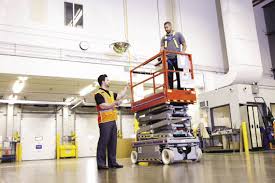
Ultimate Guide to Choosing the Right Lifting Platform for Your Business
When it comes to enhancing operational efficiency, safety, and overall workflow, choosing the right lifting equipment is a critical decision for many industries. Whether you are managing a warehouse, operating a logistics hub, or working in a manufacturing facility, a lifting platform can play a crucial role in streamlining daily tasks. In many businesses across the globe, the 升降台has become an indispensable tool for improving productivity and reducing manual labor risks.
However, with a wide range of models, specifications, and features available, selecting the right lifting platform is not always a simple process. This guide will walk you through the key considerations when investing in a 升降台, ensuring that you make the best choice tailored to your operational needs.
Understanding What a Lifting Platform Does
A lifting platform, often known as a scissor lift or hydraulic lift table, is designed for safely raising and lowering heavy loads. From loading goods onto shelves to supporting assembly line activities, these platforms provide a stable and adjustable work surface that helps workers complete tasks with greater efficiency. Unlike forklifts, lifting platforms are easier to operate and ideal for more compact working environments.
Key Factors to Consider When Choosing a Lifting Platform
1. Load Capacity
One of the first things to evaluate is the maximum load capacity of the platform. Every 升降台 is designed with a specific weight limit, and exceeding it may cause damage or safety hazards. Before purchasing, analyze the typical loads your team handles each day. Choose a model that offers suitable capacity with a safety margin to accommodate occasional heavier lifting needs.
2. Platform Size
The size of the loading platform should be based on the dimensions of the goods you frequently handle. A platform that is too small may affect stability, while one that is excessively large may hinder movement and installation in limited spaces. Carefully measure your working area and material sizes before making a choice.
3. Lifting Height
The required lifting height varies depending on your facility setup. For warehouses with high shelving units, a platform with greater vertical reach is essential. For assembly lines and packaging areas, moderate height adjustment is typically sufficient. Check both minimum and maximum lifting heights to ensure the 升降台 meets your operational requirements.
4. Mobility and Installation
Some lifting platforms are fixed to the floor for continuous production use, while others are mobile, allowing workers to move them from one station to another. Mobile units often include wheels and steering handles, making them ideal for flexible operational environments. Evaluate whether your processes require permanent placement or frequent repositioning.
5. Power Source
Lifting platforms can be powered in different ways:
- Hydraulic-operated platforms: Strong and reliable for heavy loads.
- Electric platforms: Energy-efficient and environmentally friendly.
- Manual (pump-style) lifting: Suitable for smaller loads and budget-friendly applications.
Understanding the right power mechanism helps you match performance with operational cost and workplace accessibility.
6. Safety Features
Safety should always be the highest priority when choosing industrial equipment. Look for features such as:
- Emergency stop controls
- Anti-slip platform surface
- Guardrails or safety gates
- Overload protection systems
- Stable locking mechanisms
Well-designed safety features help protect workers and reduce the risk of accidents.
Benefits of Investing in the Right Lifting Platform
A high-quality 升降台 enhances your business operations in several ways:
- Reduced manual labor strain: Less risk of worker injury and fatigue
- Higher productivity: Faster and more efficient material handling
- Improved workflow safety: Stable lifting and positioning of heavy loads
- Space optimization: Easier movement in confined areas
- Cost efficiency: Fewer workplace incidents and improved employee performance
Whether you run a manufacturing line, storage facility, or construction project, the right lifting platform becomes a long-term asset that supports business growth.
Choosing a Reliable Supplier
After identifying the specifications you need, the next step is selecting a trusted supplier. Look for companies that offer:
- Durable product quality with certifications
- Warranty and maintenance support
- Customization options
- Good customer service and fast delivery
It’s beneficial to request performance demos or feedback from past users to evaluate product reliability before making a final purchase.
Final Thoughts
A lifting platform may seem like a simple piece of equipment, but the right choice can greatly improve workflow efficiency and workplace safety. By assessing your space, load requirements, and operational needs, you can confidently select a 升降台 that will support your business for years to come. Take the time to research reputable suppliers and compare models so your investment delivers maximum value.
Enhancing your daily operations starts with smart equipment decisions—and choosing the right lifting platform is one of the most impactful upgrades you can make.