
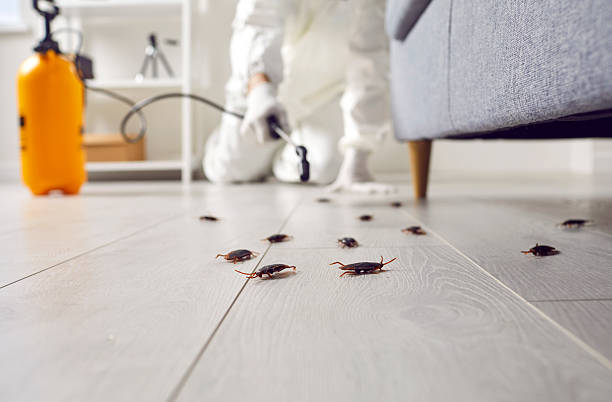
How Pests Can Damage Your Property’s Structural Integrity (And What to Do About It)
Your home is probably the biggest investment you will ever make, and protecting it takes more than routine cleaning and basic maintenance. Pests can silently degrade structural components for months without showing any outward signs. By the time you spot damaged wood, sagging floors, or strange cracks, you are often facing costly and invasive repairs.
Knowing how common pests attack your property can help you catch problems early, before they turn into major bills. Also, hiring the best pest control in Mississippi at the right time is an ideal way of keeping your home protected.
1. How Structural Pests Damage Your Property
Different pests go after your home in different ways, but they all leave it weaker and less stable.
– Termites
Termites rank among the most destructive pests a homeowner can face. They feed on the cellulose in wood, tunneling through beams, joists, wall studs, and other framing from the inside out. Since they stay out of sight, an infestation can run for months before detection. Watch for mud tubes along the foundation, wood that sounds hollow when tapped, discarded wings, and doors or windows that suddenly stick.
– Carpenter Ants
Carpenter ants don’t actually eat wood, but they will happily chew through it to build their nests. Damp or decaying wood, usually from a leak or moisture problem, tends to attract them first. Left alone, their tunneling can weaken structural lumber and make existing damage worse as the colony grows.
– Rodents
Mice and rats bring with them contaminated food and unpleasant odors. Their gnawing tears through wooden framing, insulation, drywall, and electrical wiring. Chewed wiring raises the risk of fire, and the entry points rodents create can let in moisture and other pests.
2. Signs Your Home May Have Structural Pest Damage
Catching problems early can save you thousands in repair costs. Keep watch for:
a. Wood that feels hollow or soft
b. Mud tubes near the foundation or in crawl spaces
c. Small piles of shavings or insect debris
d. Sagging floors or warped wood surfaces
e. Cracks forming around doors and windows
f. Scratching sounds coming from walls or ceilings
g. Droppings, gnaw marks, or torn-up insulation
While no single sign confirms an active infestation, none should be dismissed without professional evaluation. A professional inspection can identify the source before it spreads further.
3. What You Can Do to Protect Your Property
Preventing structural pest damage comes down to removing what attracts pests in the first place.
– Fix plumbing leaks as soon as you spot them, and keep basements, attics, and crawl spaces dry.
– Keep shrubs and tree branches trimmed back from your home’s exterior.
– Store firewood well away from the foundation and remove wood debris from the yard.
– Seal cracks around windows, doors, utility lines, and foundation gaps to cut off entry points.
– Clean your gutters regularly and make sure water drains away from the foundation, since excess moisture attracts many wood-destroying pests.
Routine pest inspections matter just as much. A trained professional can spot early activity that is easy to miss and recommend treatment before things get out of hand. Working with the best pest control in Mississippi that residents rely on gives you extra peace of mind that your property stays protected all year long.
Ending note
Structural pest damage tends to build quietly, which is exactly why routine inspections and preventive maintenance matter so much for homeowners. Whether termites, carpenter ants, or rodents are behind it, catching the problem early helps protect your home’s safety, value, and structural integrity.