
When Helical Piers In Iowa City Are The Right Choice For Foundation Stabilization
Foundation problems rarely appear overnight. A door that used to close properly starts sticking. A hairline crack near the window frame gets a little wider each spring. Many homeowners overlook these early signs until repairs become far more expensive.
That gradual pattern is exactly why helical piers in Iowa City have become a preferred solution for local homes. They reach down into stronger soil to stabilize a sinking foundation. Once you understand how they work, it becomes much easier to tell whether they are the right choice for your house.
How Helical Piers Work
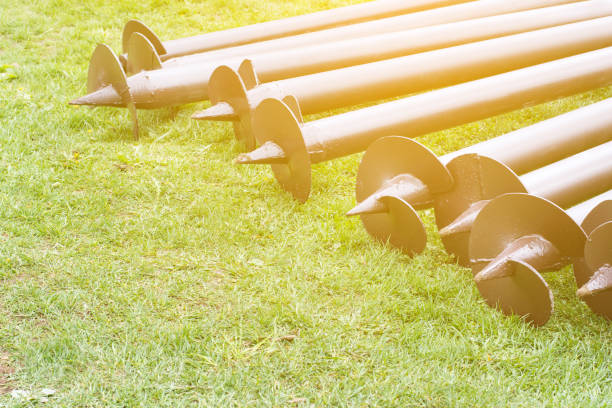
Think of a helical pier as an oversized screw made of steel, with helix plates spaced along its shaft. A hydraulic machine twists it down into the ground until it reaches soil capable of supporting the required load. From there, it is bolted to a bracket attached to the foundation, and the structure is lifted back toward level.
What makes this method different from older concrete pier systems is that it does not depend purely on mass for stability. The torque used during installation helps the crew determine how much load the pier can bear.
Signs Worth Paying Attention To
Not every crack in a wall is a red flag. But a few things tend to show up together when foundation movement is happening.
a. Diagonal cracks near doors or windows.
b. Uneven or sloping floors.
c. Doors that stick after hinge adjustments.
d. Gaps where siding meets the foundation.
e. Cracks that continue growing.
One of these on its own might mean nothing. A few showing up together usually means it’s time to have your foundation checked by an expert.
Why This Happens So Often Around Iowa City
Homes around Iowa City experience wet springs followed by dry summer months, creating repeated expansion and contraction in the area’s clay-rich soils. Homes built decades ago, before soil testing was standard practice, often remain on footings that were never designed for this kind of movement.
This is why so many contractors in the area prefer helical piers instead of traditional poured concrete piers. Concrete piers can shift or settle unevenly if the surrounding soil is not consistent. Helical piers, by contrast,are mechanically anchored. Their holding strength can be measured on the spot during installation rather than assumed.
When They’re The Better Option
Helical piers tend to make the most sense when:
a. The soil under the home doesn’t offer steady bearing support.
b. Excavation space is tight or limited.
c. The repair needs to bear weight right away, without waiting for the concrete to cure.
d. The project involves lighter structures like decks, sunrooms, or additions.
For heavier commercial buildings that need to anchor into deep bedrock, drilled concrete piers sometimes work better.
How to Know Which System Fits Your Situation
The right choice depends on the specific property. A professional foundation inspection can determine whether the movement is cosmetic or a sign of structural settlement. In such a case, a structural engineer can walk through the soil report and load requirements to figure out which system actually fits.
What Installation Looks Like
Most jobs take somewhere between one and three days, depending on how many piers the foundation needs. Crews drive each pier down while monitoring torque resistance. This tells the crew when the pier has reached the required load-bearing capacity. Once every pier is set and bracketed, the structure gets slowly lifted close to its original position.
Final Thoughts
There is no single answer for all foundation issues. It comes down to soil type, how much damage has already occurred, and what the home actually needs for the long term. Helical piers in Iowa City offer a repair that is fast, minimally disruptive, and backed by real data instead of estimates. If you are already noticing warning signs, getting ahead of it now is always cheaper than waiting for it to get worse.